EU is ignoring economics 101: those who spend must also pay
European integration has always been a tug of war. On one side stand the enthusiasts. Read more
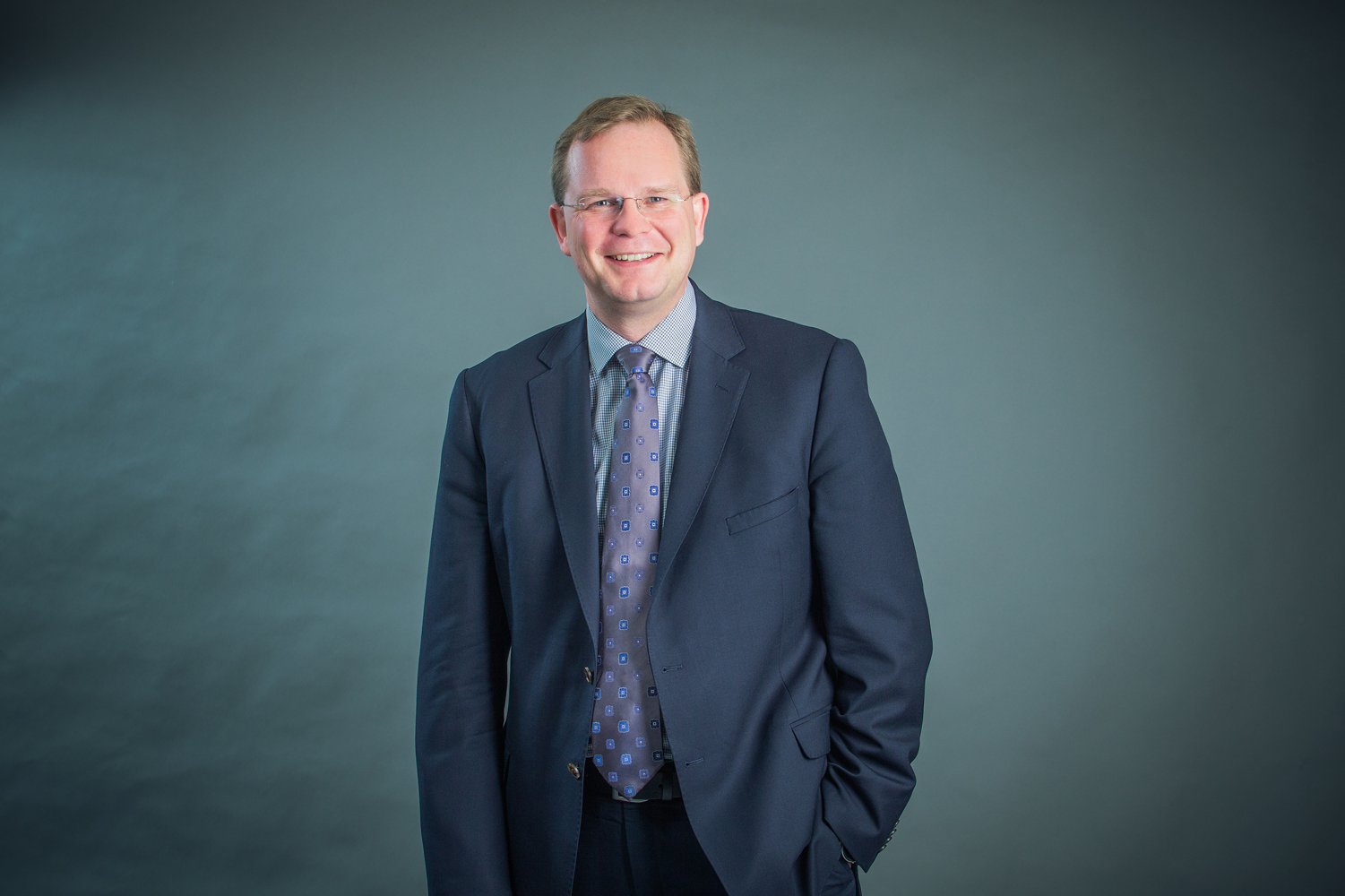
Oliver is the Executive Director of The New Zealand Initiative. Before joining the Initiative, he was a Research Fellow at the Centre for Independent Studies in Sydney, the Chief Economist at the Policy Exchange in London, and an advisor in the UK House of Lords.
Oliver holds a master's degree in economics and business administration and a PhD in Law from Bochum University in Germany.
Oliver is available to comment on all of the Initiative’s research areas.
Phone: +64 4 499 0790
European integration has always been a tug of war. On one side stand the enthusiasts. Read more
In this episode, Oliver talks to retired Major General John Howard about escalating US–Iran tensions, what 'phase zero' military build-up signals, and the pathways from diplomacy to potential strikes. With New Zealand holding, as Howard notes, around 14 days of fuel reserves, they explain why disruption in the Strait of Hormuz matters, and why energy security and national resilience deserve far greater urgency. Read more
If this is the first you have heard of ‘social justice day,’ do not feel bad. Few people have heard of it, despite it having featured on the United Nations’ calendar for nearly two decades. Read more
In this episode, Oliver Hartwich speaks with retired Major General John Howard, whose 40-year military career included a senior executive role at the US Defense Intelligence Agency. Howard explains New Zealand is strategically underprepared for a more contested world, lacking clear national security and intelligence strategies, modern capability and sustained investment to protect a trading nation's interests. Read more
Dr Oliver Hartwich talked to Damien Grant on Different Matters about whether Donald Trump is driving the decline of the liberal rules-based order or is merely a symptom of deeper geopolitical shifts, drawing parallels between Trump and Kaiser Wilhelm II as leaders whose recklessness and disregard for the systems they found set the stage for crisis. The discussion also covered the corruption they both see as a systemic risk to American democracy and its institutions, what the erosion of the rules-based order means for small trading nations like New Zealand, and why the trust being destroyed — both domestically and internationally — could take decades to rebuild. Read more
Ask anyone in Australia’s competition law community what transformed the economy, and you will hear a familiar story. Australia was once a cartelised, complacent place where businesses divided up markets and consumers paid the price. Read more
The Resource Management Act 1991 was an act of economic self-sabotage. Over three decades it inflated house prices by imposing what economists call a regulatory tax: the share of prices created by planning restrictions alone. Read more
Hungary is a landlocked nation of ten million people with an economy smaller than New Zealand’s. It has no significant military, no permanent seat on the Security Council and no history of shaping international affairs. Read more
In this episode, Eric talks to Oliver Hartwich about New Zealand's negotiations with the United States over rare earth minerals, following a 180-day ultimatum from America requiring allied nations to sign mineral access deals or face tariffs. They discuss the complications revealed in Australia's similar agreement, the implications for New Zealand's mining regulations and international relationships, and how this pressure from the US represents a fundamental shift away from the traditional rules-based international order. Read more
For the first time since the Second World War, New Zealand is being asked to make major economic decisions under direct threat from an ally. New Zealand is negotiating a minerals deal with the United States. Read more
At the World Economic Forum last month, Mark Carney delivered a speech that should make every middle power pay attention. The former central banker, now Canada’s Prime Minister, argued that the rules-based international order is fading. Read more
The past month has been difficult to process. Afemerican special forces captured Nicolás Maduro, the president of Venezuela. Read more
The domestic political year has started with housing density back on the agenda. Is Christopher Luxon walking away from the bipartisan housing accord? Read more
I do not get to Münster often these days, but whenever I am there, I feel drawn to its town hall. This is where, in 1648, diplomats signed the Peace of Westphalia. Read more
To many on the political left, the Mont Pelerin Society represents something akin to a spectre. It is frequently portrayed as a secretive cabal of market fundamentalists operating in the shadows to dismantle the state and privatise the public sphere. Read more