I’m a liberal now but I still mourn the slow death of the Social Democrats in Germany
A few years ago, I found an old calendar from 1979 in a box of things from my childhood. It was filled with the scribblings of a four-year-old. Read more
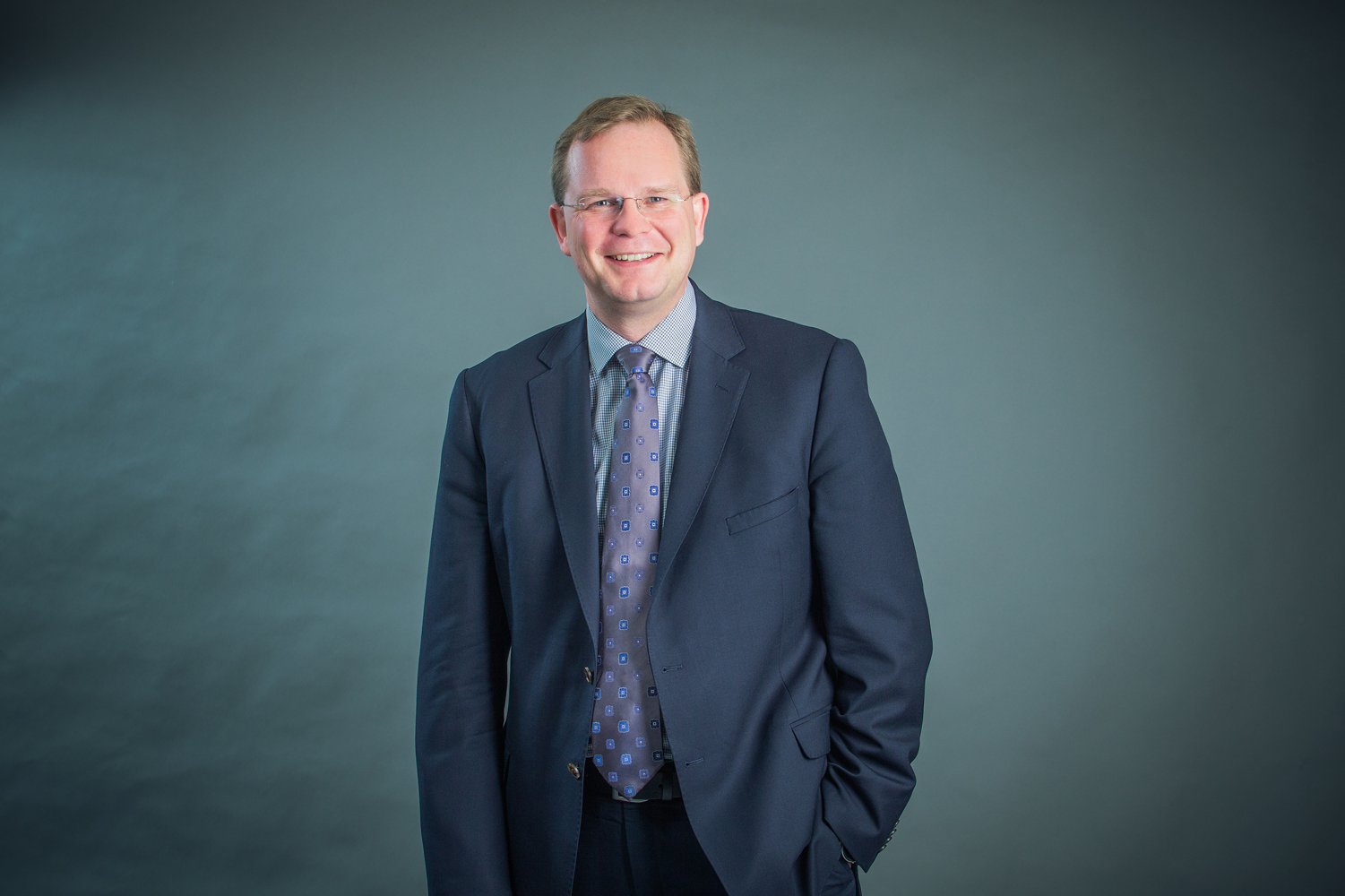
Oliver is the Executive Director of The New Zealand Initiative. Before joining the Initiative, he was a Research Fellow at the Centre for Independent Studies in Sydney, the Chief Economist at the Policy Exchange in London, and an advisor in the UK House of Lords.
Oliver holds a master's degree in economics and business administration and a PhD in Law from Bochum University in Germany.
Oliver is available to comment on all of the Initiative’s research areas.
Phone: +64 4 499 0790
A few years ago, I found an old calendar from 1979 in a box of things from my childhood. It was filled with the scribblings of a four-year-old. Read more
In this episode, Oliver speaks with retired Major General John Howard about the escalating Middle East conflict, unpacking the military realities behind the United States' shifting approach and the growing role of global powers like China and Russia. They explore what disruption in the Strait of Hormuz means for energy markets and why New Zealand may be more exposed to fuel and supply shocks than it realises. Read more
There is an old joke about a man who visits his doctor complaining of fatigue. The doctor prescribes a course of vitamins and tells him to come back in a month. Read more
Campaign slogans used to sell the future. In 1960, John F. Read more
The Strait of Hormuz is closed. Flights through the Middle East have been cancelled. Read more
I was born in West Germany in 1975. Yes, it was still West Germany then. Read more
KiwiSaver has $110 billion in assets and over three million members. Contribution rates rise from April. Read more
In this episode, Oliver Hartwich and Eric Crampton are joined by retired Major General John Howard to assess the Iran conflict three weeks on, covering how it has escalated, what the odds of de-escalation look like, and whether a US ground invasion or ceasefire is realistic. They also explore the wider global picture, from China's posture around Taiwan to Ukraine's worsening position, and what it all means for New Zealand's fuel security, energy resilience, and national preparedness. Read more
When oil prices spiked after the Strait of Hormuz closed, New Zealand’s ministers lined up to reassure the public. Fuel stocks were “healthy.” There was “no need for panic.” The associate energy minister assured New Zealanders that supplies were not under threat “in coming months.” What the ministers did not dwell on is that government agencies are now briefing them daily on supply disruptions extending well beyond petrol. Read more
There is something almost admirable about spending a fortune on roads, pipes, schools and hospitals without quite knowing what state any of them are in. Or, in some cases, where exactly they are. Read more
After five years of stagnation, falling living standards and a cost-of-living crisis that ground down households and businesses, New Zealanders wanted nothing more than a return to normality: a bit of growth, stable prices and the relief of things finally getting better. At the start of 2026, it looked like that might be happening. Read more
Within a fortnight last month, Australia and New Zealand placed opposite bets on their economic futures. The Reserve Bank of Australia raised interest rates to 3.85 per cent. Read more
While American and Israeli jets were bombing Tehran last Monday, French President Emmanuel Macron stood before nuclear submarines at the Île Longue naval base in Brittany. He announced that France would extend its nuclear umbrella across Europe. Read more
Dr Oliver Hartwich argued at the Portfolio Construction Forum's Markets Summit 2026 in Sydney that the erosion of the rules-based world order — driven by cognitive decline, political tribalism, and the rise of "institutional theatre" — demands a fundamental rethink of how investment professionals assess risk. Dr Hartwich introduced the concept of "Enlightenment Islands" — stable, high-trust jurisdictions such as Singapore, Switzerland, and the Scandinavian countries — and urged portfolio managers to supplement traditional financial metrics with civilisational indicators like PISA scores, rule of law indices, and trust barometers. Read more
In this episode, Oliver talks to retired Major General John Howard about the first week of US–Israel strikes on Iran — what the opening strikes reveal, how Iran is responding, and why the risk of escalation remains real. They then zoom out to the global ripple effects (Russia and Ukraine, China and Taiwan, NATO cohesion) and the practical consequences for New Zealand, from fuel and supply-chain disruption to the need for more proactive national security planning. Read more